You can realistically stay home for a single-room phased renovation (12–20 days per room) or cosmetic-only work, but full-flat rewiring (15–25 days) and whole-flat waterproofing (20–30 days) usually mean moving out. We've touched on staying home during a renovation before in our guide on renovating versus rebuilding an old flat, but the honest answer depends on exactly which kind of work is happening, not just your tolerance for noise.
Renovations You Can Realistically Stay Through
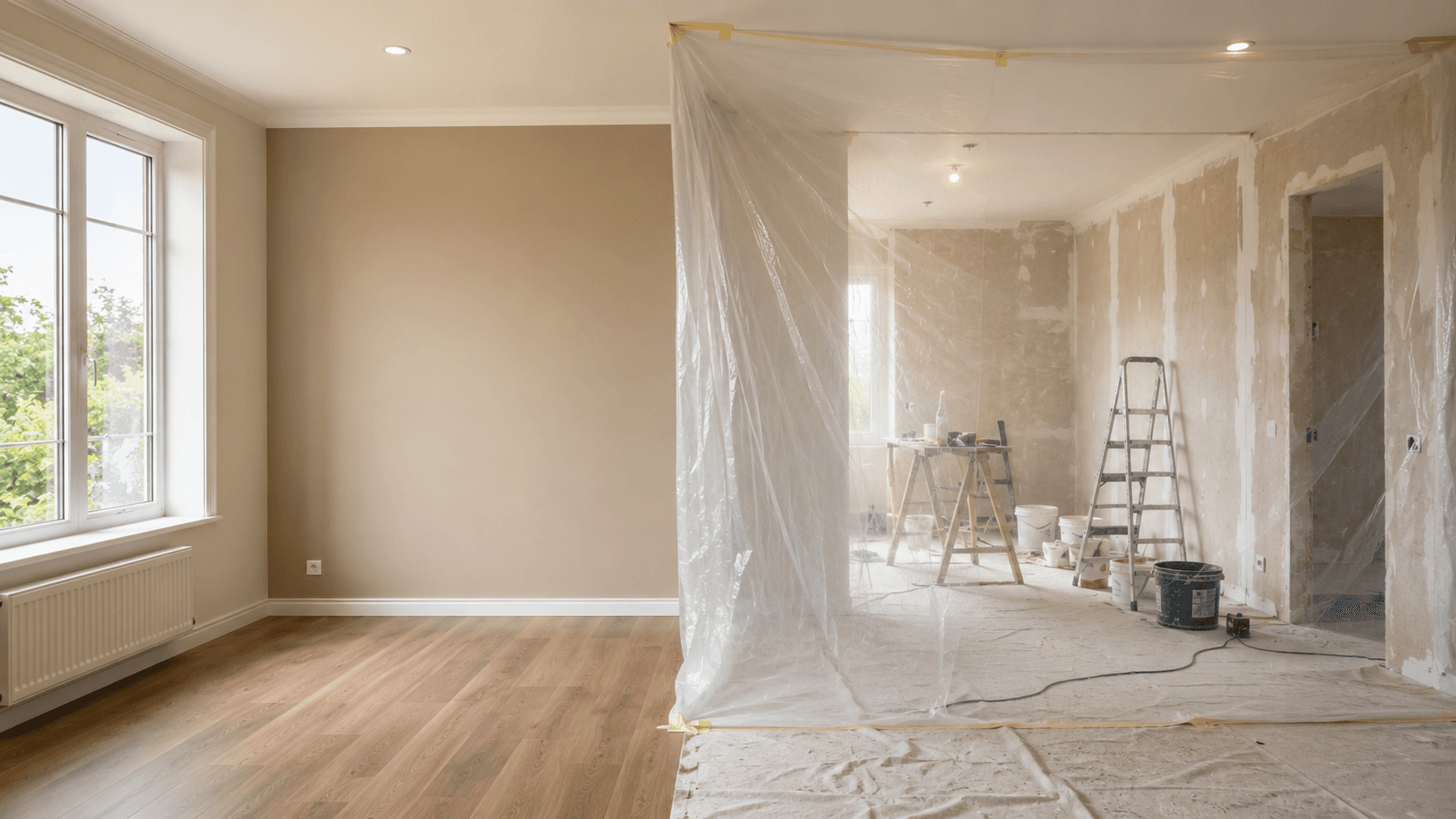
Single-room phased renovation — one bedroom at a time, with the rest of the home sealed off — is the approach we use for most partial renovations, and it keeps the rest of the home fully liveable throughout. Cosmetic or finish-only work, like painting, a wardrobe replacement, or flooring in one room, rarely disrupts daily life beyond noise during agreed work hours. If your renovation is scoped this way from the start, staying home is genuinely workable, not just theoretically possible.
Renovations That Genuinely Require Moving Out
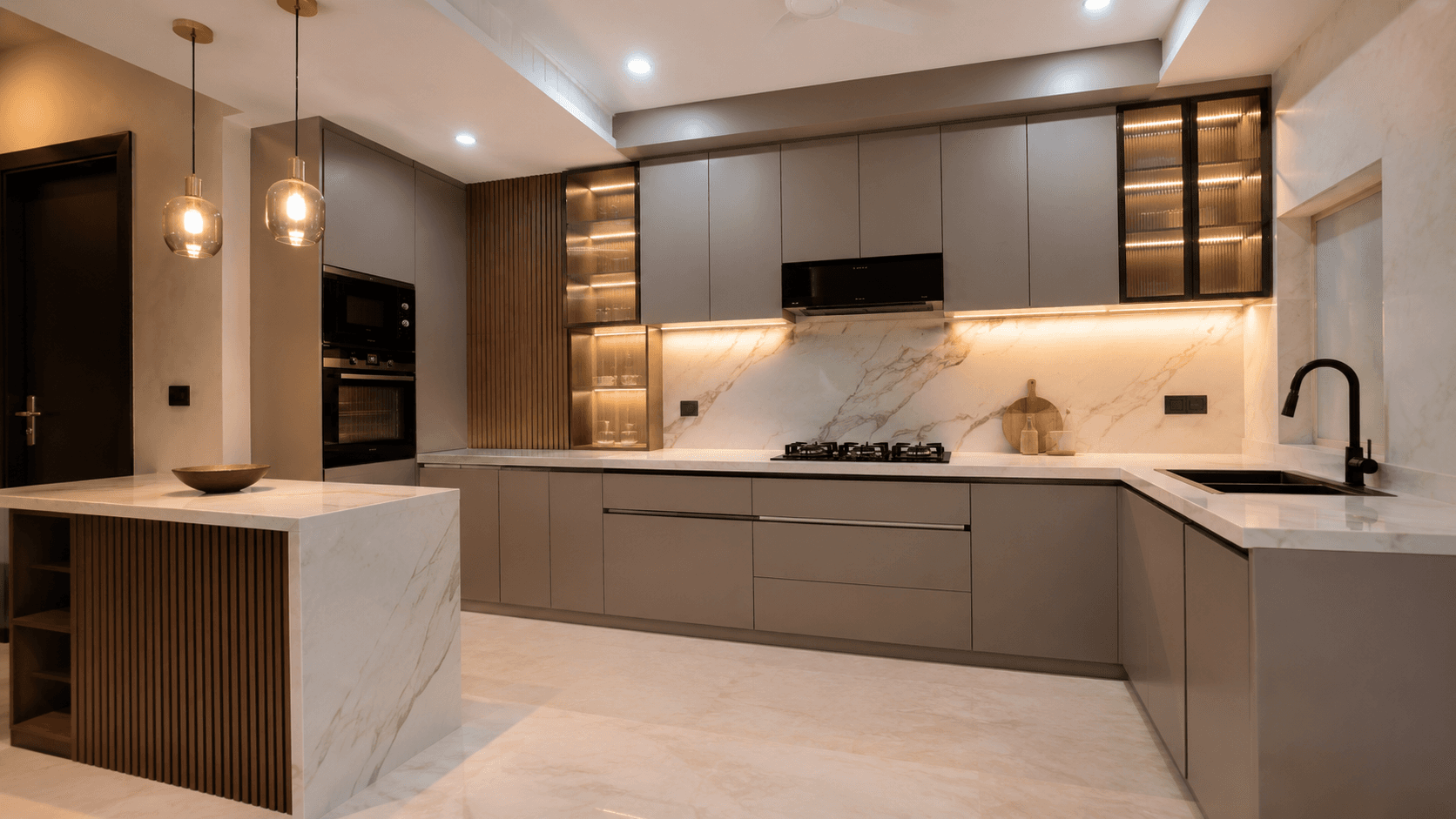
Full-flat rewiring is the clearest case — electrical work typically needs to cut into walls and ceilings across every room, so there's no sealed-off zone to retreat to, and power is intermittently down across the whole flat rather than just one room. Whole-flat waterproofing, where every bathroom and the terrace are redone simultaneously, is similar: water supply gets shut off for extended stretches and multiple wet areas are unusable at once. A kitchen-only renovation deserves a special mention here too — even though it's a single room, losing cooking access for the full modular kitchen timeline is impractical for most families to work around without alternate cooking arrangements, even while the rest of the home stays fully liveable.
Typical Duration Per Scenario
Similar to the curing-time realities we've written about for full home renovations, these durations are driven by material cure time, not how quickly labour can work.
| Scenario | Duration | Can You Stay? |
|---|---|---|
| Single-room phased renovation | 12–20 days per room | Yes |
| Full-flat rewiring | 15–25 days | No — largely unlivable |
| Whole-flat waterproofing | 20–30 days | No — all wet areas affected at once |
Managing Dust and Access If You're Staying
Dust barriers — sealed plastic sheeting and door seals isolating the active work zone — are standard on every phased renovation we run, not an optional upgrade you have to request. Site access is scheduled around agreed work hours, typically daytime, coordinated with your society's work-hour rules, so evenings and nights stay quiet and usable. Water and power interruptions are communicated in advance per phase, not sprung on you mid-week, so you can plan around them rather than being caught off guard.
How to Decide, Practically
If someone in your home has respiratory sensitivity, there are young children, or you're on work-from-home calls all day, lean toward moving out even for renovations that are technically stay-through-able — dust barriers reduce dust significantly, they don't eliminate it entirely. If moving out is difficult for budget or logistics reasons, phased room-by-room execution is specifically designed to make staying workable, and it's worth raising this preference at the site visit stage so the execution sequence is planned around it from day one, not adjusted awkwardly mid-project.